|
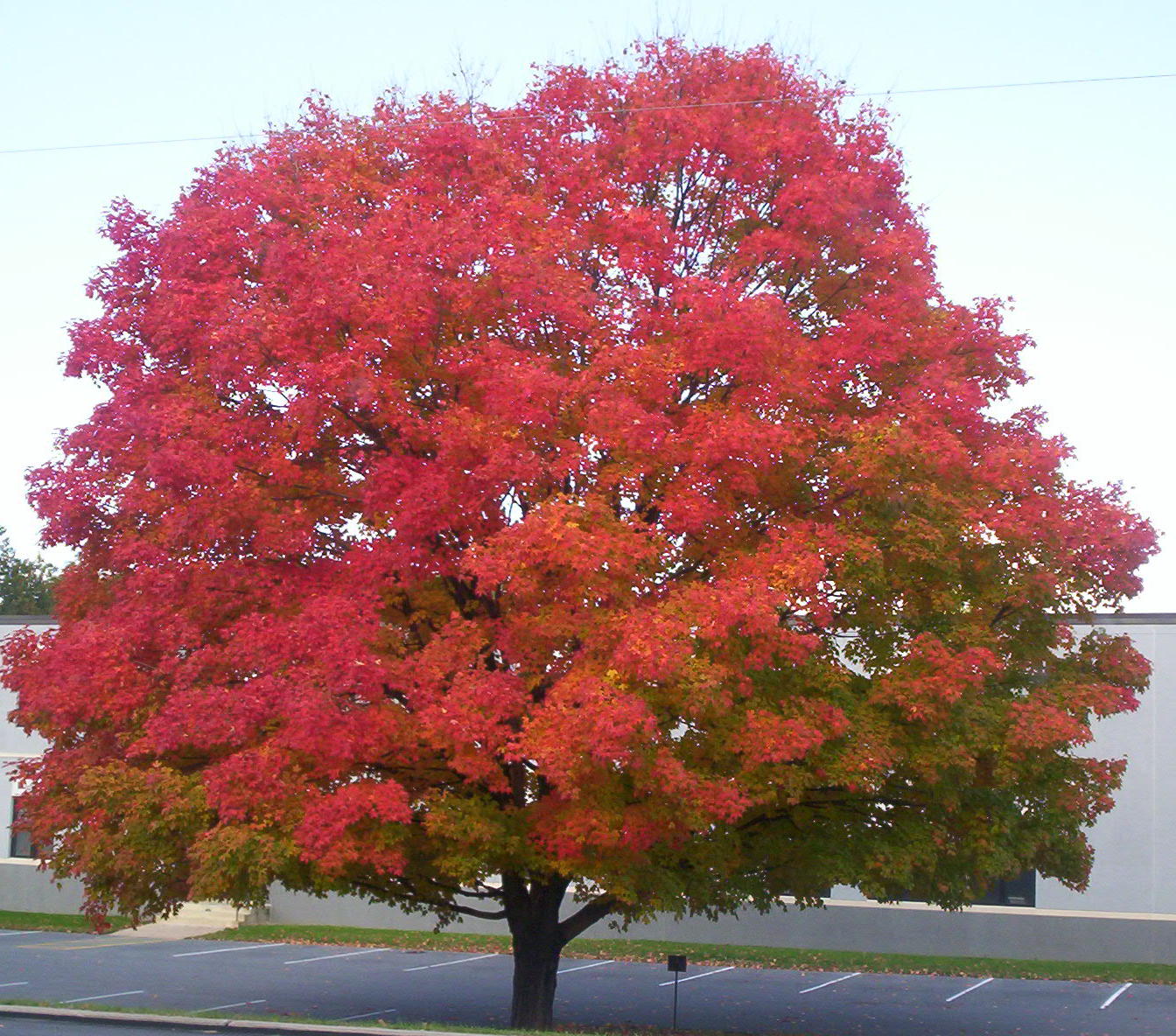
Photo by: B.Gini ©2006
(Tree at Cornwall Inn) |
I love taking walks in the woods this time of year. The colors of the foliage is absolutely beautiful and so restorative & healing to me. My daughter often refers to this time of year as
"Living in Color".
I remember once taking my daughter for a walk in the woods near our old home in NJ and helping her collect pine cones & leaves-of all different colors. We took her treasures home and made a colorful collage out of them.
"The colors make me feel happy", she said to me when we hung it up on her wall. Was she referring to the activity we did or does color really have the power to affect our mood?
Everything around us is energy. If you have ever felt the vibrant energy of the colorful fall leaves-or that of a vegetable, herb or flower garden surrounding you, then you have felt that connection not only with your physical and emotional senses, but also with that part of yourself that we refer to as our spirit.
Color is a form of non-verbal communication. Colors say something to us when we look at them. What colors make you feel happy? Agitated? Color consists of many different energy patterns which vibrate at different frequencies. The reason we see color and the reason it makes us feel a certain way is because these vibrations are received by the color receptors (cones) of the eye, which then translates that pattern into a color & sends that data to the brain. The brain then begins the release of hormones and chemicals depending on the messages it receives & interprets. When the energy in one part of the body is out of balance, a chain reaction will begin leading to changes in all systems and organs as the body tries to restore balance. By surrounding ourselves with and looking at a particular color we may stimulate or suppress pituitary and pineal glands (located in the center of the cranium). These glands regulate the hormones for metabolism and growth of the body, sleep patterns and blood pressure functions, appetite and thirst sensations.
Since ancient times, every culture has used color for various art, customary rituals and clothing. It has long been known that light and color can have an effect on the body, the mind and the emotions. Colors on the walls, in art, in clothing and on furniture can energize calm, uplift, depress, irritate, anger and even heal. The use of light & color has been explored as its own form of holistic healing called
Color Therapy or
Chromotherapy. Although it has been deemed pseudoscience by its critics, citing the placebo effect, many therapists & educators feel that there is some use for color as a practical tool in daily living. It can provide a simple way to enhance the environment of adults & children, whether it be in a traditional classroom, and afterschool program or in a yoga class.
The origins of Color Therapy dates back to the Egyptians. The vibrant colors of nature were reflected in all aspects of their lives: floors of temples were green or blue (grass and water). They believed that red, yellow, and blue affected the body, soul, and spirit, respectively and used colored gemstones and crystals as remedies for many diseases. The cure was believed to come from the activated energy of the color of light reflected by sunlight.
Ayurveda refers to the
Chakras as sources of subtle energy. Chakras represent the Life Force and energy of the entire body and are depicted as 7 circular areas that form a vertical line from the base of the spine to the top of the head. Each of the centers corresponds to a color and in turn an emotion as well as an organ, system or gland.
Color therapy is also applied in the practice of
Feng Shui which uses the placement of furniture, plants & objects by shape, element and color encourage & ensure harmony & balance.
During the early 20th century, Rudolph Steiner, an Austrian philosopher, related color to form, shape, and sound suggesting that certain combinations of color and shape have either destructive or regenerative effects on living organisms. Steiner’s work was continued by many researchers all finding evidence that
color preferences demonstrate states of mind and have measurable and predictable effects on the nervous system.
While more controlled research needs to be done, early studies are encouraging. In one study, 98 percent (49 out of 50) of participants with migraine headaches reported relief after being treated with goggles that alternately illuminated the right and left eyes with red light. (The Journal Headache, July, 2008)
The most clinically supported use of Color and Light Therapy includes the use of light boxes in the treatment of Seasonal Affective Disorder (SAD) & other mood, sleep & stress-related disorders.
Using Color in daily life can involve exposure to colored lights, art, furniture, plants & using imagery. This can help calm disrupted energy within the body and bring it back into balance. (Practitioners use this for both physical and emotional challenges, treating the body as a whole, rather than just addressing symptoms.)
In traditional or yoga, education or therapy, (OT, PT, SLP) or even at home, using colors strategically can help enhance the learning environment & the effects of the activity, lesson or therapy you are administering. Since each color has a different effect or association, try to match this with your expected outcome of the lesson or session. For example, if your student is lethargic, surround him/her in red or violet to envigorate re-energize and shift the mood into a positive direction. If your student seems anxious, restless and can’t seem to find concentration, Blue, Green and Indigo will calm & ease physical, emotional and mental tension and bring improved awareness and better concentration. Try accenting the sensory room with soft colored lights, mats, shawls, gems, candles, paintings, tapestries, plants, table cloths, shades, etc.
(See Color Meanings Below)
Another easy way to incorporate color is to use imagery. Ask your student to close their eyes & imagine for a minute that he/she is a tiny balloon. Each time he breathes in he gets bigger and floats higher and each time he breathes out he releases some of that beautiful color into the sky. You can assign each child a specific color based on the effect you want the imagery to have or let them imagine their own favorite color. (Always prepare them to be brought out of the imagery gently and gradually by suggesting they imagine they land gently on the ground, wiggle fingers, toes and on the count of three, they can open their eyes.)
The Meaning of Colors:
In each category, consider all degrees of color and shades in that group, from jewel tones to pastels. Experiment & see what works.
RED: is beleived to stimulate brain wave activity, increase heart rate, respirations, blood pressure, and adrenal glands. It warms us and awakens us physically and has been applied to improve circulation. It is a good color to wear when we have low energy due to colds and poor circulation. (CAUTION: Too much red can over stimulate, agitate and make the illness feel worse.)
ORANGE: is the color of joy, creative energy and internal connection. It is believed to stimulate appetite and it is a good color for improving creative problem solving, clearing the lungs & balancing hormones.
YELLOW: is the color of wisdom, personal power, intuition and emotions. It energizes, uplifts, relieves depression, improves memory, stimulates appetite and has been applied to help with digestive problems.
GREEN: has a calming, balancing effect on the nervous system. Green sooths and relaxes, eases depression, anxiety & nervousness. (Since green is associated with and said to stimulate growth, it is suggested to be avoided in cancers and other tumors.)
BLUE: is calming and cooling & is often used to counteract stress & hypertension. It is the color for overall health and connects us to our higher thought and make us open to learning new things. (Too much blue can overwhelm and depress the system.)
INDIGO: is the color for healing. It is said to enhance immunity and connect us to our unconscious self.
VIOLET: is cleansing, strengthening, and awakening. It has been used to suppress appetite & in restoring a peaceful environment. It is supposed to affect the bones and has been applied to improve auto-immune conditions, cancerous illnesses, and arthritis. It has proven to be an excellent color for relief of eye strain, headaches and migraines.
WHITE: The color of Spirituality, softness, purity and Peace. Has been used to neutralize negative thoughts/emotions. (Too much white can be over stimulating, blinding & cause headaches. Substitute more subdued crèmes, beige or ivory shades if this is the case.)
BLACK: Black is the absence of color. It conveys mystery, mourning & rebellion. It is also grounding and calming to some, especially sensory challenged children and teens. Incorporate or simulate black by using softer lighting. (Use sparingly! Be sure to balance the use of black with other uplifting & energizing colors.)
• Use for Calming: Blue, Green, Turquoise, Silver
• Use for Alerting: Red, Pink, Yellow, Gold, Orange
• Use for Maintaining Balance: Purple, Lavender, Green, Turquoise
• Use to Neutralize or Unify: Brown, Beige, Ivory, Gray, Black, White
*What are some of the creative ways that you "Live in Color" and have used at home or in the clasroom? We would love to hear about your experiences! Please leave a comment in the space below.
Contact Barbara at:
www.bodylogique.com
.